Dogs / Essentials
Choosing an everyday dog harness: fit before features
Research-based editorial. We do not claim hands-on testing or veterinary review. Our method
For ordinary walks, look for an adjustable harness that fits your dog’s shape, clears the armpits and does not slip over the head when the dog backs up. A comfortable-looking photograph is not evidence that it fits your animal.
Measure before choosing a size
Use the manufacturer’s diagram and measure chest girth at the specified point. Compare the actual measurement with the current size chart. Try the harness indoors and inspect how it sits while the dog stands and moves. Follow the maker’s fitting instructions rather than relying on a universal finger rule.
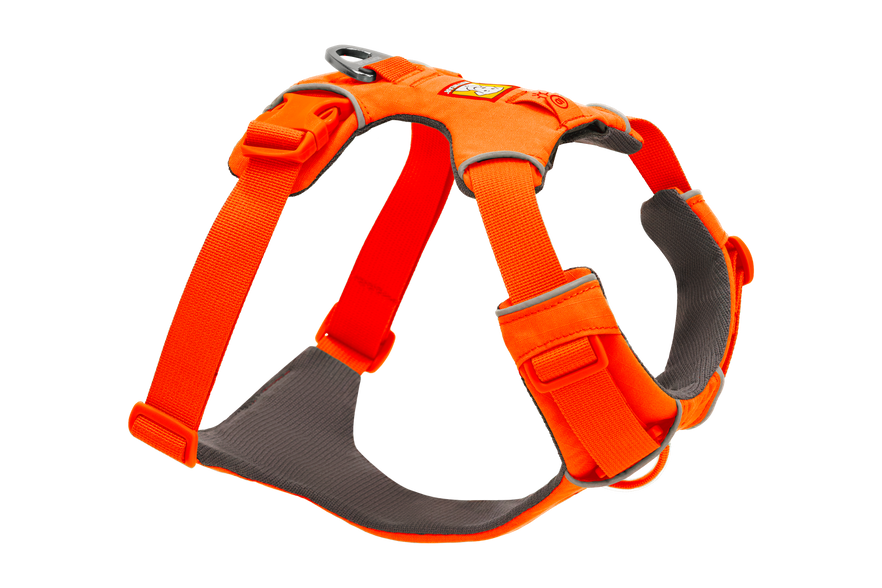
Ruffwear Front Range
Consider it if: you want a padded everyday walking harness with adjustment points and your dog fits the current size chart.
Skip it if: you need a vehicle restraint, lifting aid or specialist escape-resistant setup. Everyday walking features do not establish those capabilities.
Check specifications & current availability →
Direct brand link.
Source checked October 3, 2026: Ruffwear Front Range. Specifications and policies can change; confirm before purchase.
Compare the features that matter
| Feature | Why it matters | Tradeoff |
|---|---|---|
| Adjustable straps | Fit changes with body shape and coat | More points to check before walks |
| Front attachment | Different leash handling options | It does not replace training |
| Padding | Distributes contact | Can retain water or grit |
Keep or return?
Return it if straps rub, movement is restricted or the dog can back out. Stop use if there is irritation or pain; seek professional help for mobility or handling concerns. Inspect wear, buckles and stitching regularly.
General information, not individualized veterinary advice. For symptoms, treatment or medical travel needs, contact your veterinarian. Confirm fit, current terms and policies before buying or booking. Read our pet advice boundaries